

POINTE READINESS
Every ballet dancer dreams of the moment THEY PUT ON THEIR first pair of pointe shoes. But behind that beautiful image is a serious question that every teacher and parent must ask honestly: is THE DANCER’S body truly ready?
At Elements, we take pointe readiness seriously. When a young dancer has worked hard and loves ballet, it can feel discouraging to hear that they aren’t ready yet. But the truth is that pointe work is one of the most physically demanding things a dancer’s body can be asked to do, and progressing too early doesn’t just slow development, it can cause real injury that affects a dancer for life.
This post is for the parents, dancers, and students who want to understand what pointe readiness actually means, and why the number of hours a dancer trains each week is an important factor in that decision.
WHAT IS POINTE READINESS?
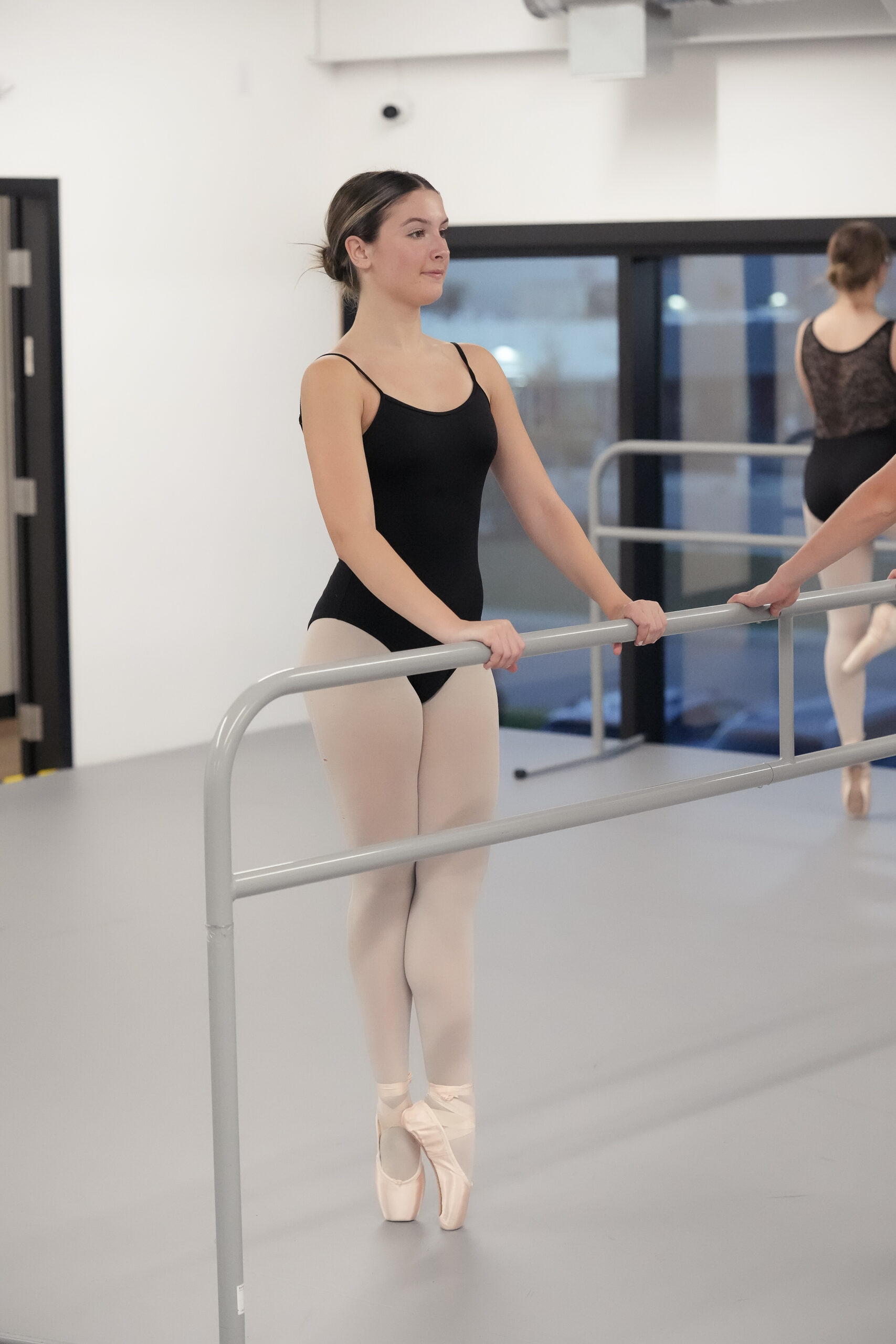
Pointe readiness isn’t about age, and it isn’t about how long a dancer has been taking ballet. It’s about whether a dancer’s body has developed the specific strength, alignment, and neuromuscular control needed to safely support the demands of dancing on the tips of their toes.
Teachers assess pointe readiness through a combination of factors — and all of them need to be in place before a student is approved for pointe work. No single factor alone is enough.
What We Look For Before Approving Pointe
- Strong, stable core and trunk control
- Full ankle range of motion and a properly aligned demi-pointe
- Intrinsic foot and toe strength
- Correct hip alignment and turnout control
- Consistent, correct technique at the barre
- Skeletal maturity (growth plates considered)
These qualities are built over time, not through talent, not through enthusiasm, but through consistent, structured training. And that is why training hours matter.
WHY TRAINING HOURS MATTER
A dancer who attends one or two ballet classes per week is building a love of dance and developing coordination and musicality. But they may not be accumulating the training volume required to develop the specific strength and body awareness that pointe demands.
Another example, a recreational swimmer who loves the water and swims once a week is not ready to compete in open-water races. Not because they lack care, but because the physical preparation simply isn’t there yet. Pointe shoes work the same way. The body has to be ready, and readiness is built through dedicated hours of intense training.
Pointe work places enormous load on the feet, ankles, and knees. When a dancer doesn’t have the strength to properly support herself on pointe, that load goes somewhere else — into the joints, the connective tissue, the bones. The consequences can include stress fractures, ankle sprains, tendonitis, and damage to the growth plates in younger dancers that can have permanent effects.
WHAT HAPPENS WHEN WE RUSH IT
Beyond physical injury, rushing pointe also develops bad habits that are genuinely difficult to undo. A dancer who learns to “hang” in their pointe shoe rather than actively pulling up will carry those compensations into more advanced work, limiting their progress for years.
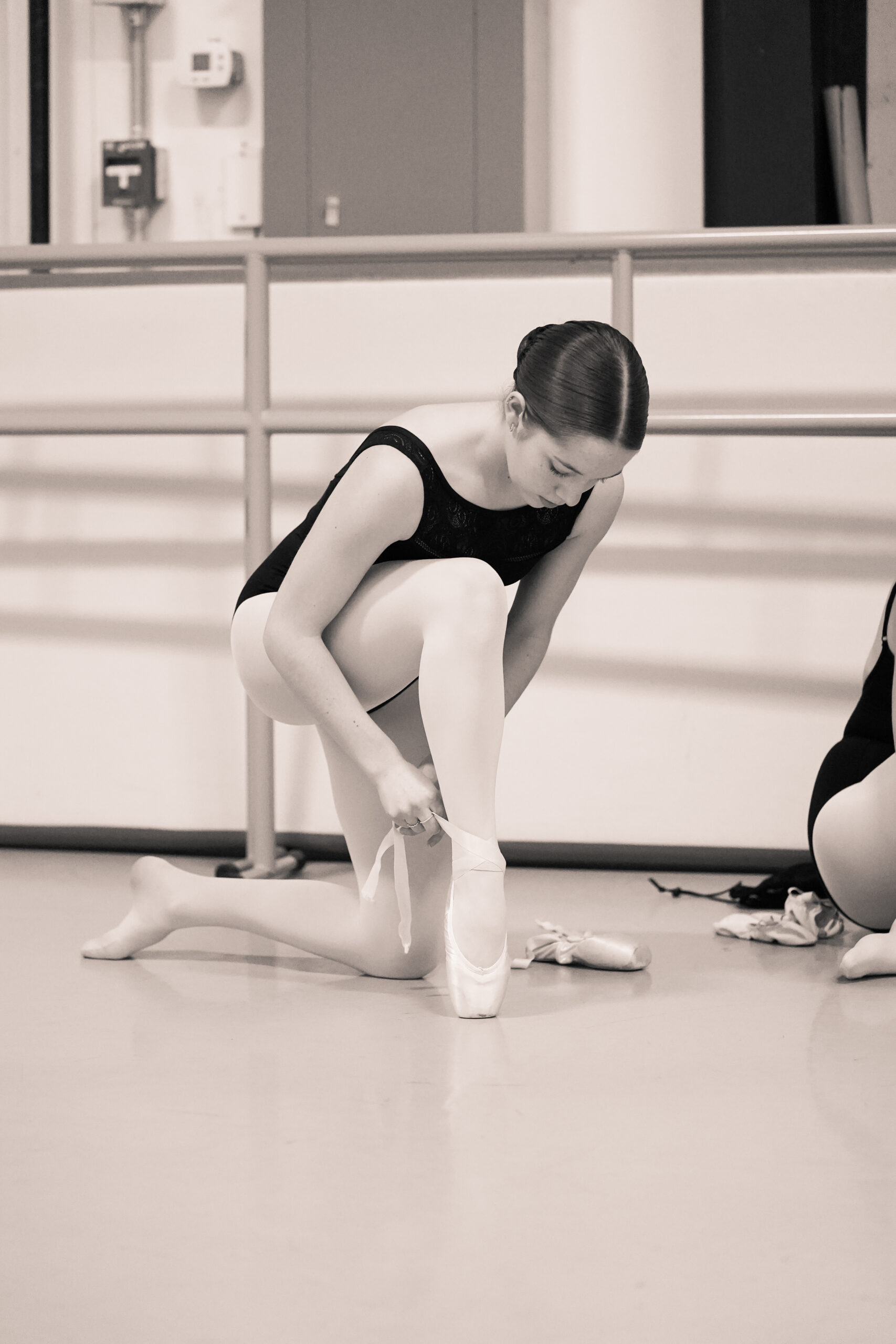
If your dancer takes one or two classes per week and loves ballet, we want you to know , we see their dedication, and it matters. If the discussion of pointe comes up, our answer will honestly reflect where the dancer is at in their training, as each dancer’s safety is our number one priority here at Elements.
Pointe is achieved through consistent, structured training at the right volume — and protecting your dancer from injury is always more important to us than making a short-term dream come true.
If pointe is a serious goal for your dancer, please let us know so that we can guide you in the proper direction. We’re always happy to have this conversation with you and your dancer directly. Our teachers assess readiness with care and honesty because we want every dancer who takes the pointe journey to take it safely.
-Written by Stephanie Staniforth
Recent Comments